
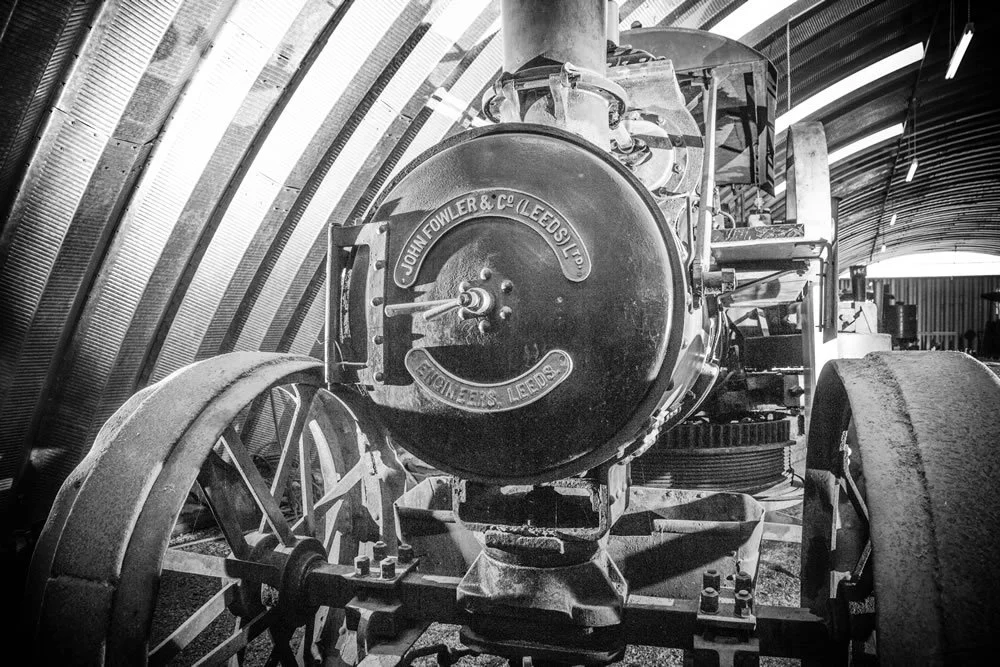
The best collection of agricultural steam engines in the southern hemisphere
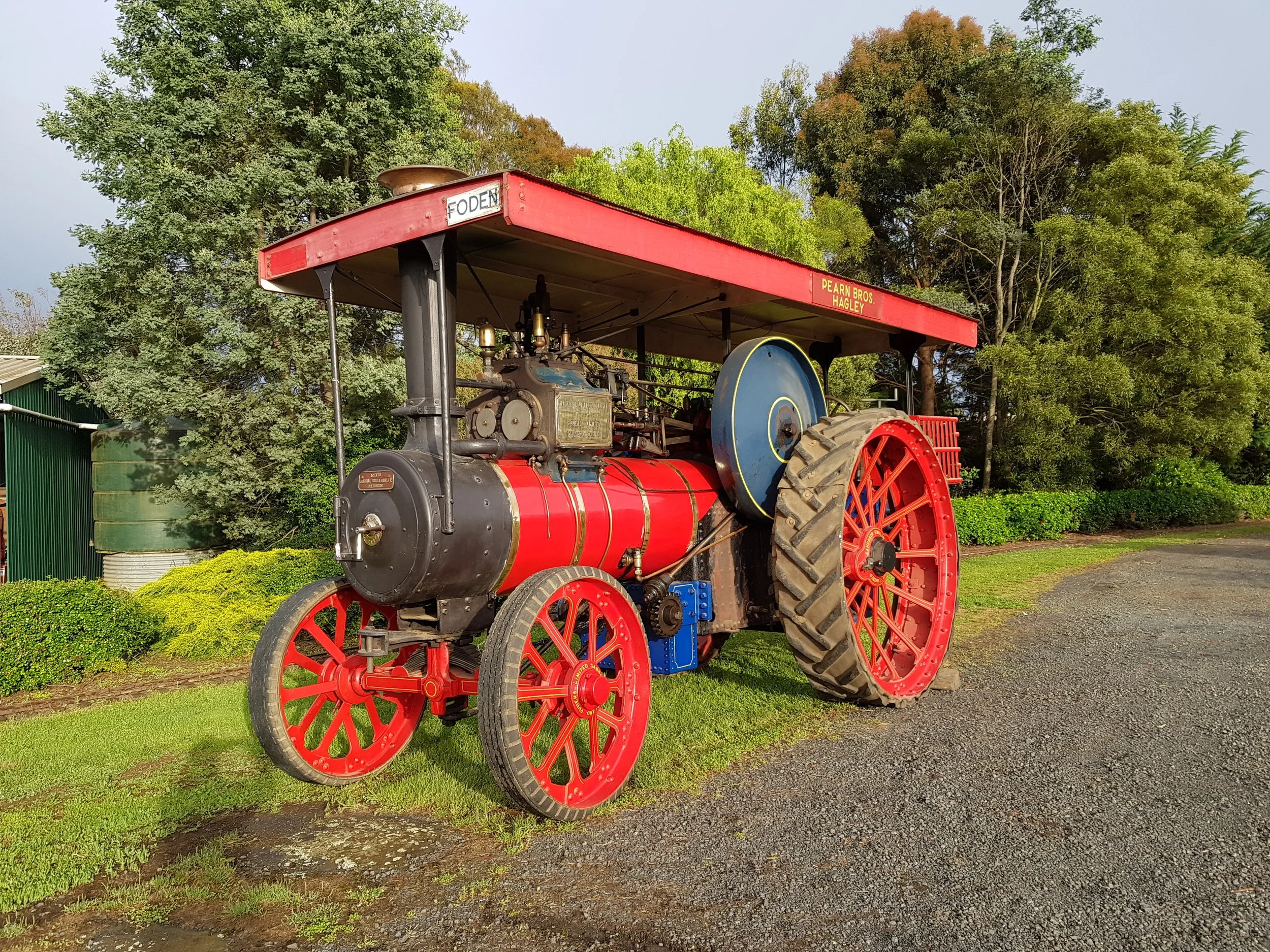
Foden Engine – no 1828
8HP compound engine, built in 1909 at Sandbach England. It is spring mounted and has three gears, (2, 4 and 6 Miles per hour). This engine’s early working life was with the Pearce Brothers of Maffra, Gippsland, Victoria in 1922, where it was used in a sugar beet processing factory. Mr Charles Richardson purchased it for threshing and stone crushing in the Westbury to Deloraine area until the mid-1950s. It was then sold to Mr Gee of Chudleigh before being purchased by the Pearn Brothers in 1982 who fully restored the engine in their farm workshop at an approximately cost of $30,000. In one year alone this engine travelled over 400km across the state supporting community events, shows and field days.
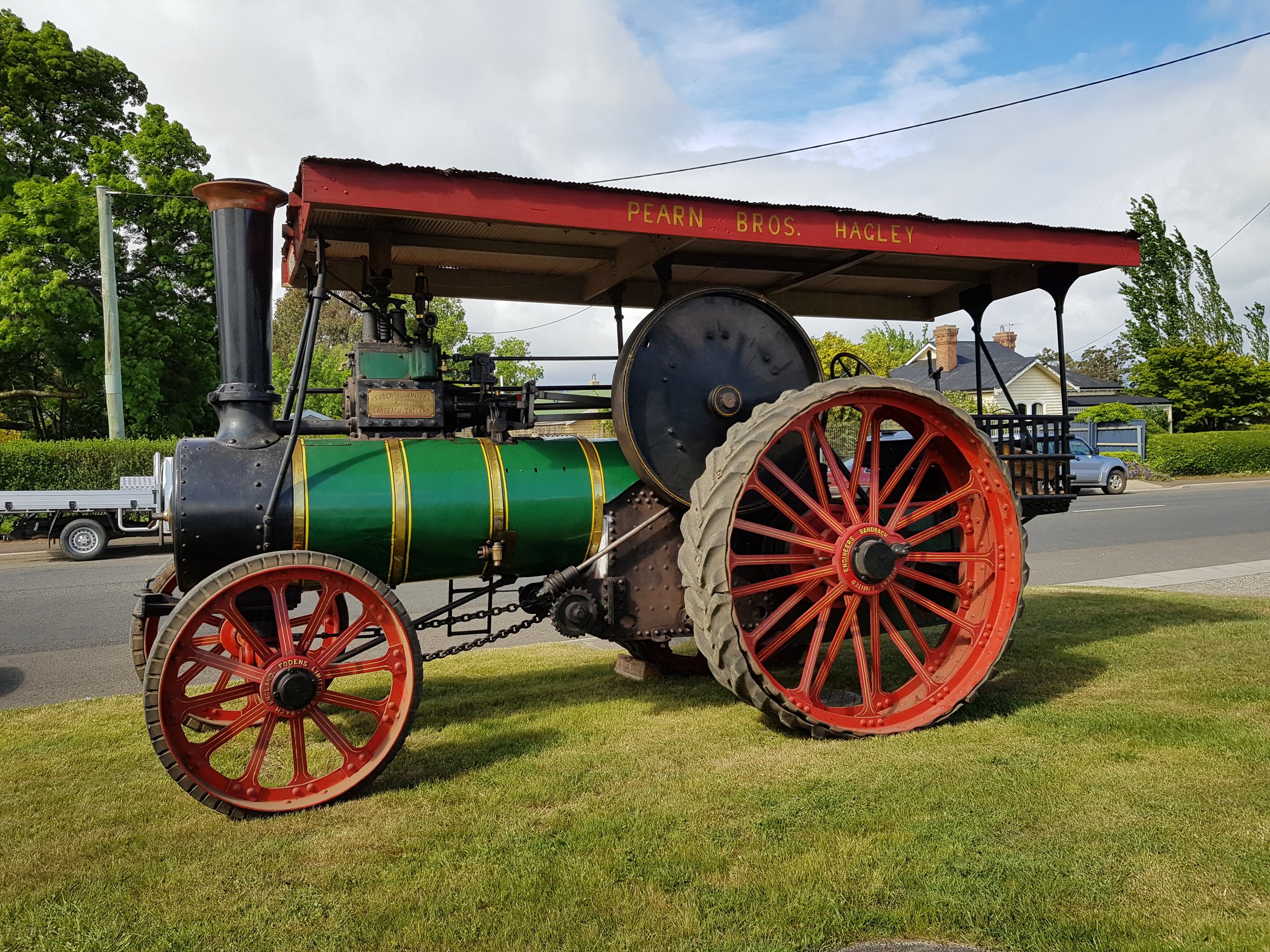
Foden Engine – no 2108
8 HP single cylinder engine was built in 1910 at Sandbach, England. Purchased by Mr. A Aulich of St. Mary’s, for 750 pounds from the firm Finlayson’s at Devonport. Mr Edward Pearn purchased the engine for 400 pounds in 1935 and it was used throughout the local district for threshing, pressing, chaff cutting and saw milling. Jack Pearn’s daughters tell the tale that the engine usually got the better wood for its firebox than they had for the household fireplace. The Pearn Bros fully restored this engine for the Westbury Centenary Show in 1962. Major work was also undertaken on the firebox in 2021/22.
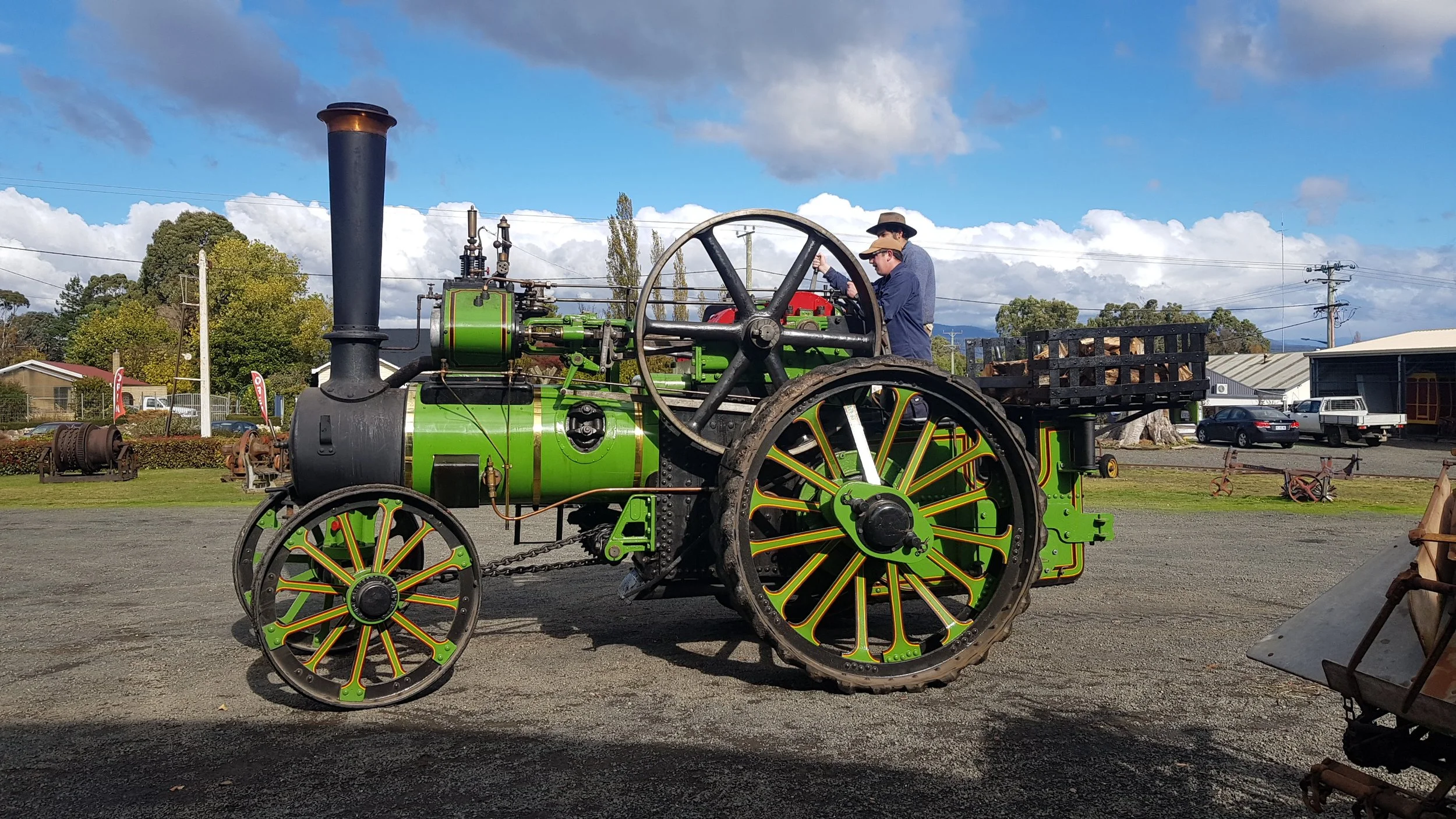
Aveling and Porter No 11733
-
This 7HP compound KT Engine was built in 1926 at Rochester, Kent, England. Used by the Public works Department Hobart (No 6) for stone crushing until 1929. In 1937 Mr W E Peterson used it for hauling power transformers and machinery to Tarraleah Hydro Station, then purchased by Mr J Paterson of Hagley in 1936 who used it for threshing and chaff cutting in the district. It was then sold to Mr Eddington who used it for land cleaning. Mr Edgar Cousins also owned it from 1949 to 1959 where it was used for chaff cutting, threshing and saw milling. Purchased by Pearn Brothers in 1968 and returned to working order. The engine underwent a major restoration during the late 2010’s, including a new boiler.
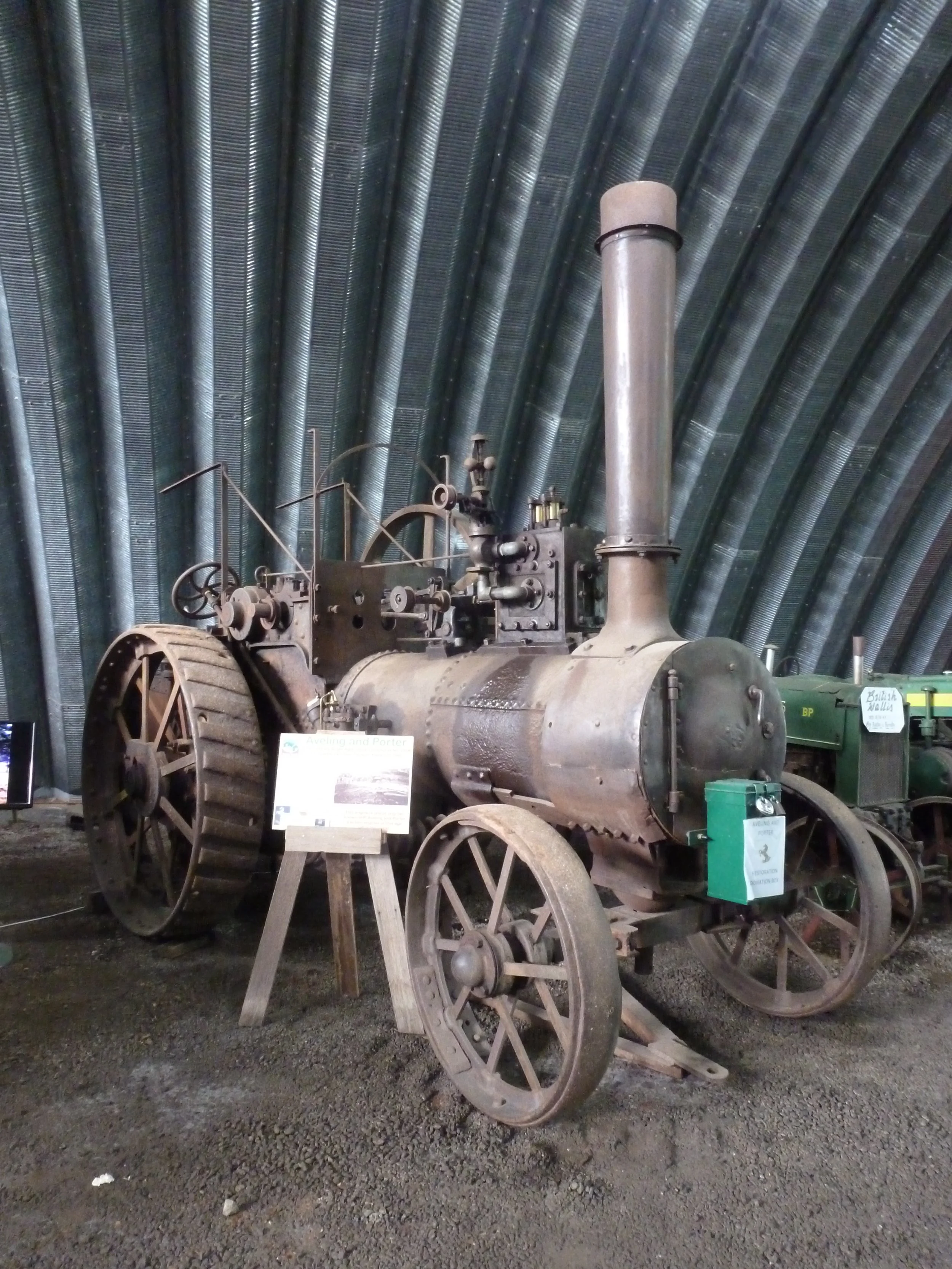
Aveling and Porter No 2524 6HP
-
Purchased by J & T Gunn, Tasmania on August 12 1889 via the Von Bibra machinery agency in Burnie. This engine was probably used in one of their sawmills before being sold on. The Pearn Brothers purchased the engine from a farm in the Tamar Valley. There are few engines still existing from this pre-1900 era. Restoration of this engine into working order would require the replacement of much of the existing engine and boiler: It stands, as it is, as a witness to its years of hard work.
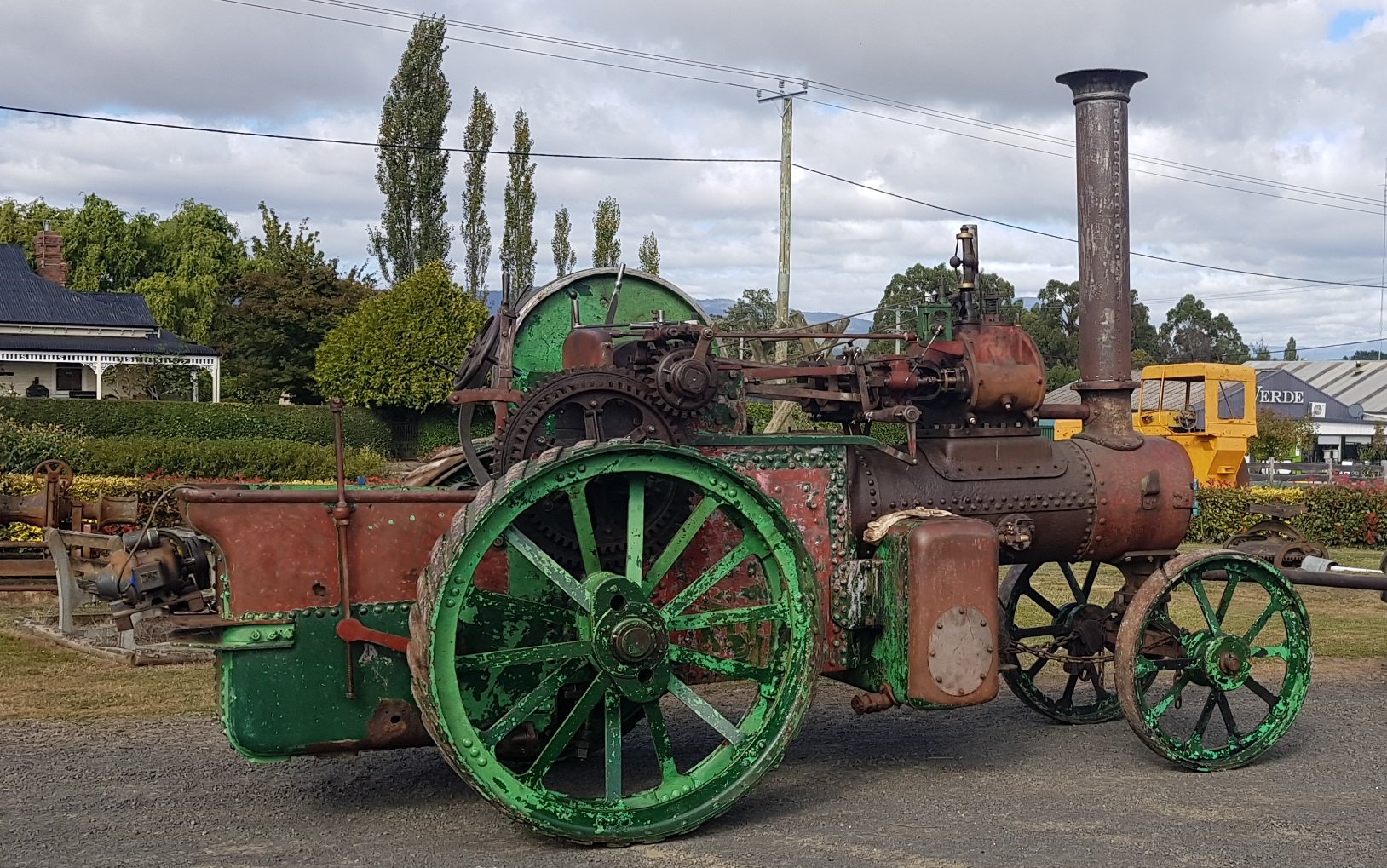
Aveling and Porter No. 10340
-
This engine was dispatched from the Aveling & Porter factory in Rochester, Kent, UK, on the 9th of March 1923. It had been purchased by the Hobart Municipality via import agents Noyes Brothers & Co., of Melbourne. The engine was No. 1 in the Hobart Council’s heavy vehicle fleet where it worked on roadmaking duties, and later supplied steam power to other machinery. Rather than selling the engine for scrap metal in 1957, the Hobart City Council retired the engine to Caldwell Park as playground equipment, and the engine was eventually sold to Pearns Steam World in 2016. This engine was stripped down for conservation and is awaiting restoration to working condition.
This engine is thought to be the only ‘M’ Class engine to be sent to Australia out of the 15 that were made.
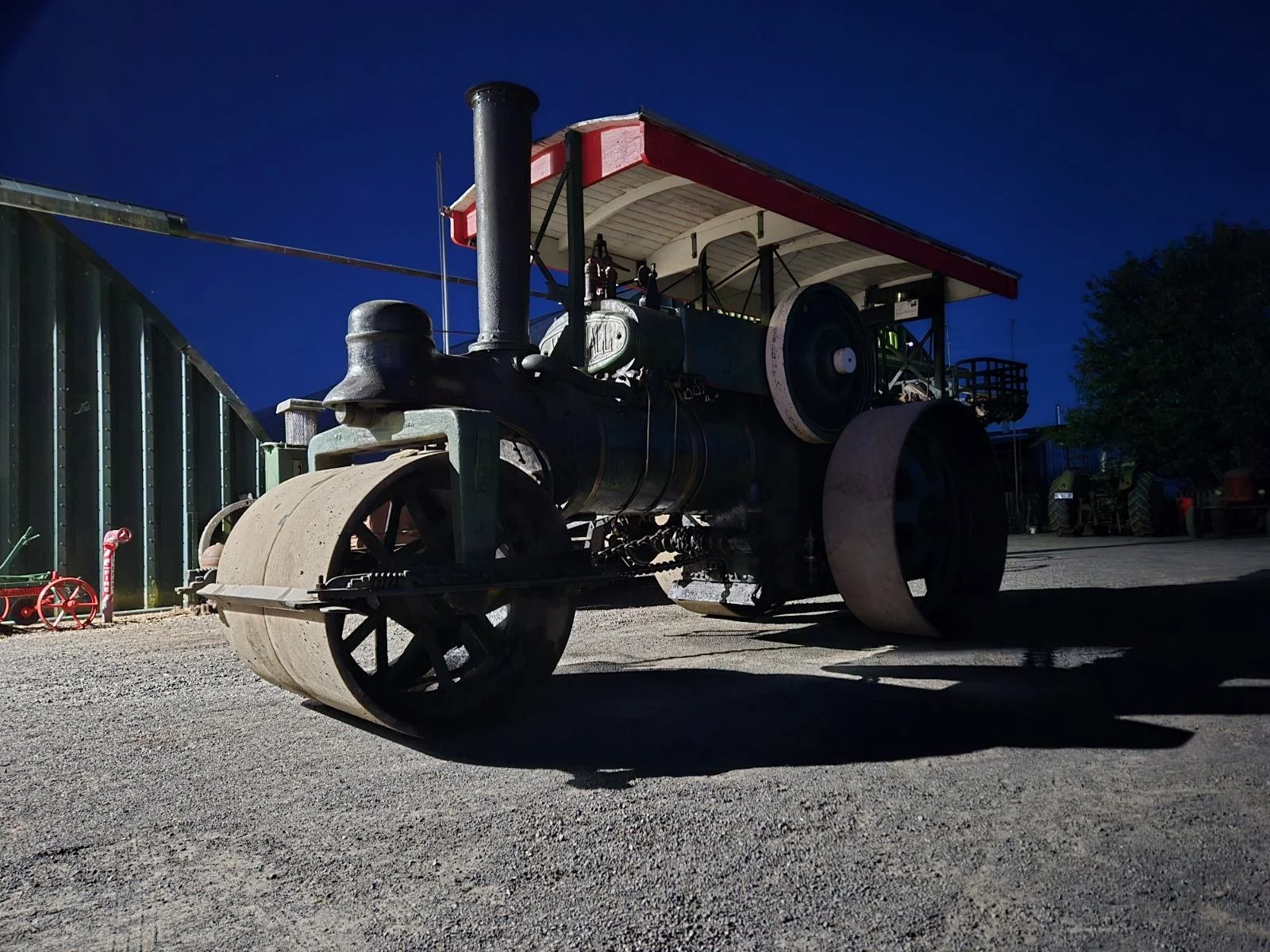
Marshall Roller Engine No 83221
6HP Class “S” engine, built in 1926 at Gainsborough, England. Purchased new by the Circular Head Municipal Council who sold it to the Public Works Department in 1953. The roller worked in the Stanley area from 1952 until 1956. It was purchased by Mr Hill of Launceston in 1958 and used for contract road rolling by the Lilydale Council, which is now part of the greater Launceston City Council. The roller was purchased by Pearn Brothers in 1968.
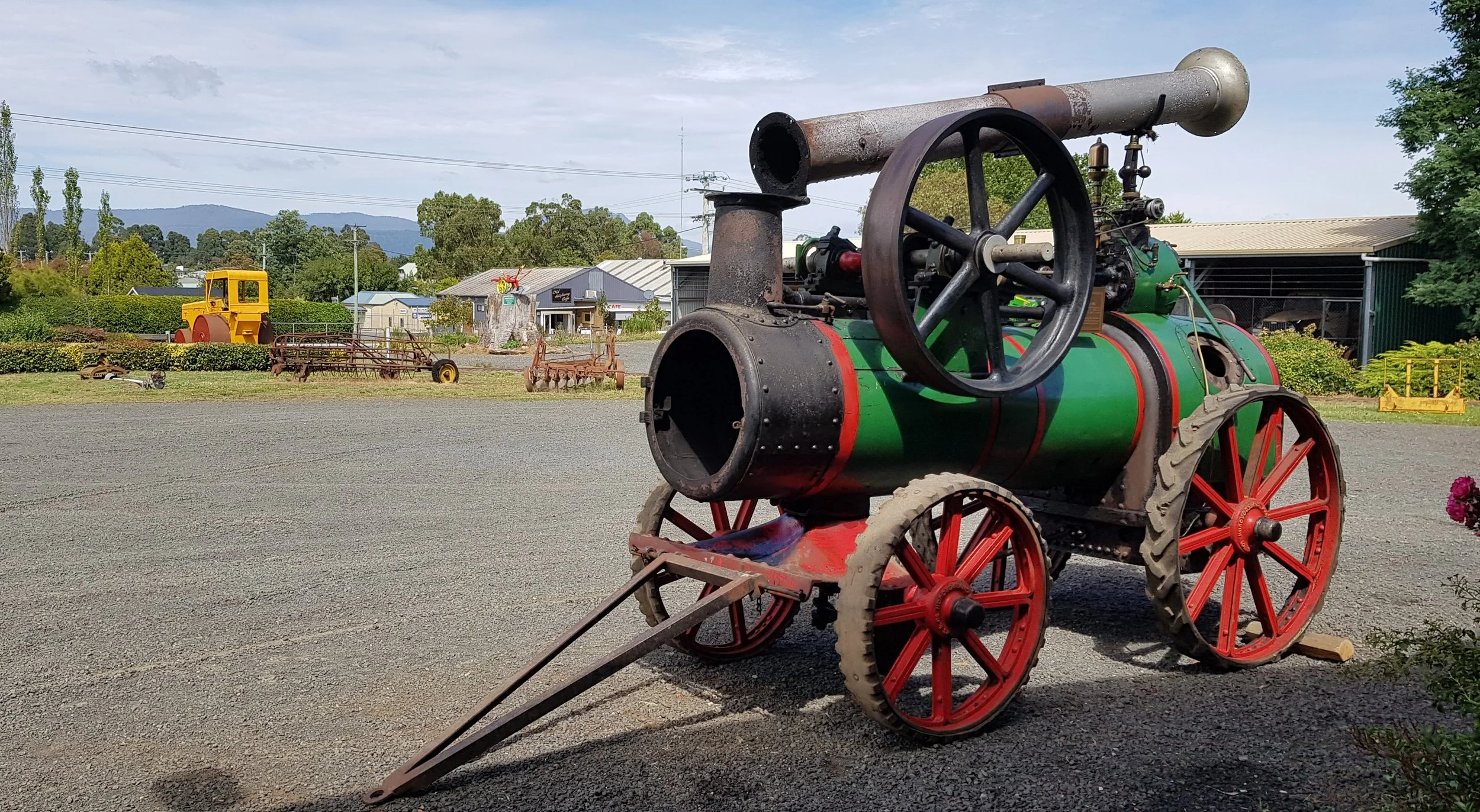
Marshall Engine No 81563
This is a single cylinder ‘Portable’ type 5HP engine which was built in 1926 at Gainsborough England. It has a star crowned firebox. Previously owned by Mr Kerwin of St Helens and was used for driving a pump at a tin mine. Restored by Pearn Brothers in 1965.
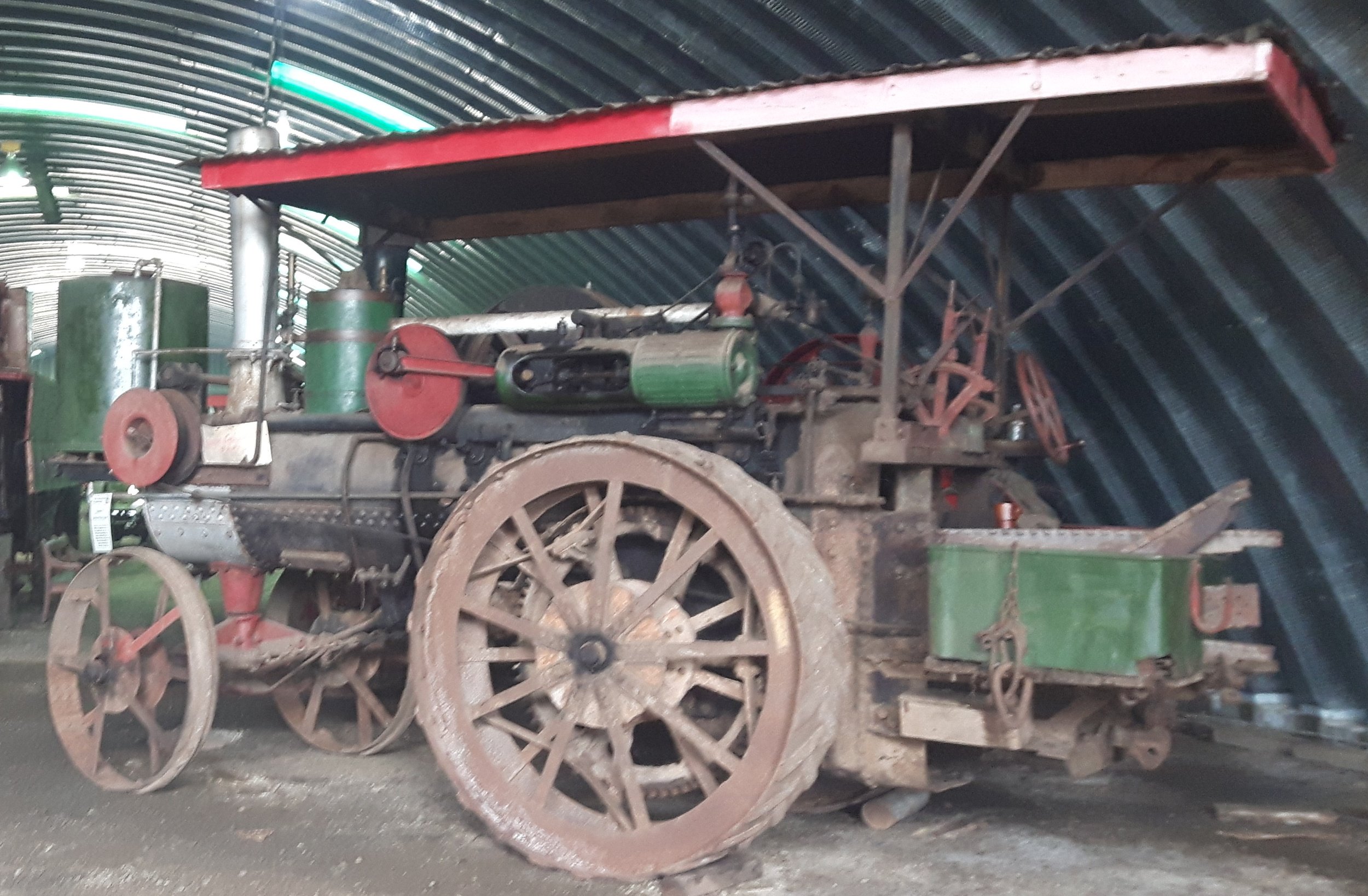
Buffalo Pitts Engine
-
This single cylinder 8HP engine was built in Buffalow, New York, USA in 1905, by the agricultural equipment company started by twin brothers Hiram & John Pitts. The second owner was Mr J Breen from Mole Creek, who used it for farm work and sawmilling. Other owners have been Mr Frederick Howard of Cressy (1913) and Mr M Baxter of Pipers Rivulet (1917).
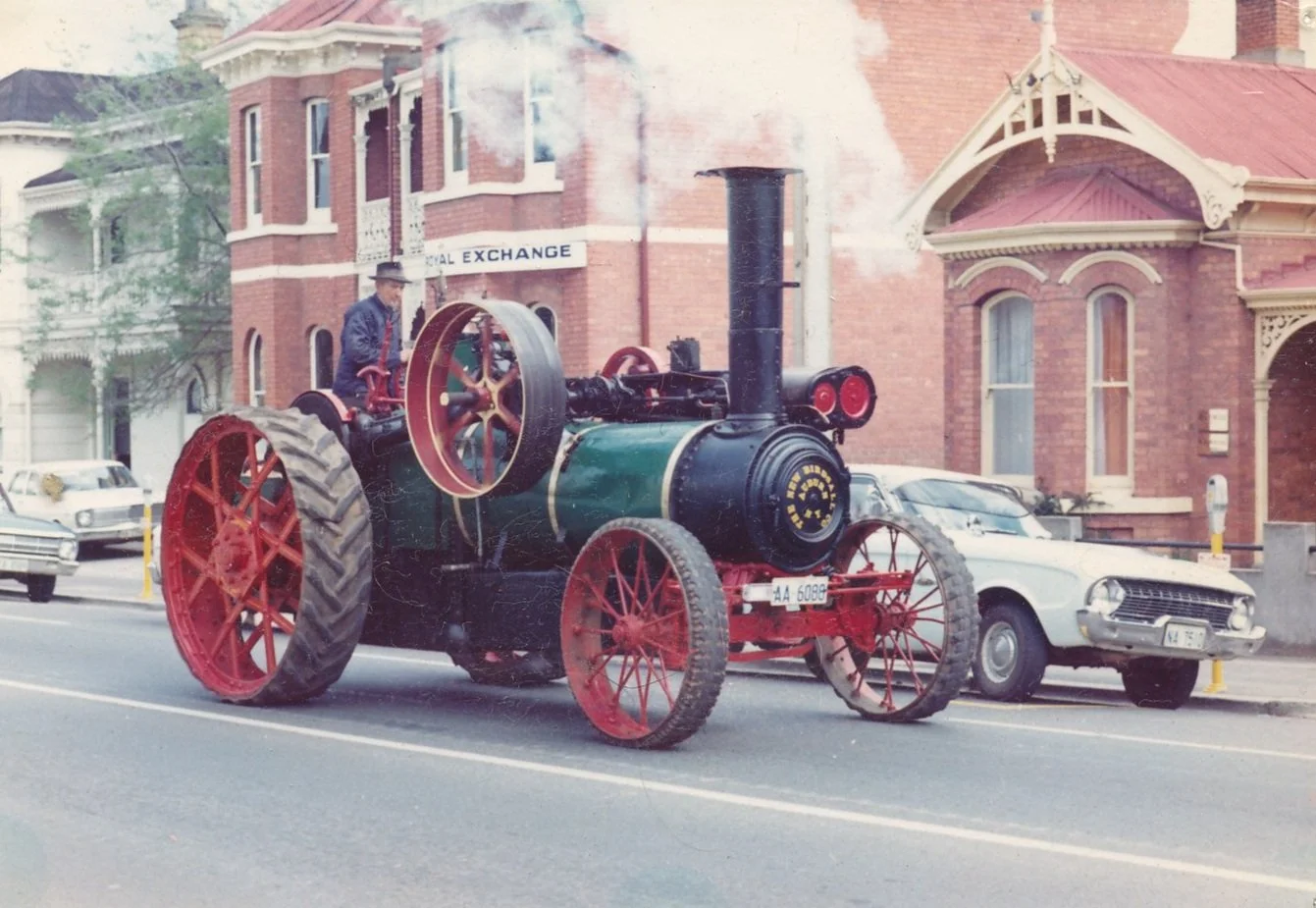
Eclipse Traction Engine No 7491
-
Made in the USA by Frick & Co, Waynesboro, Pennsylvania, in 1898, this engine is rated at 8HP. It was purchased by the Pearn Brothers in 1966 from Mr Morey of Swansea who had used it to drive a bark mill. It was restored in 1986. A similar engine to this is featured in the Smithsonian Institute, Pennsylvania.
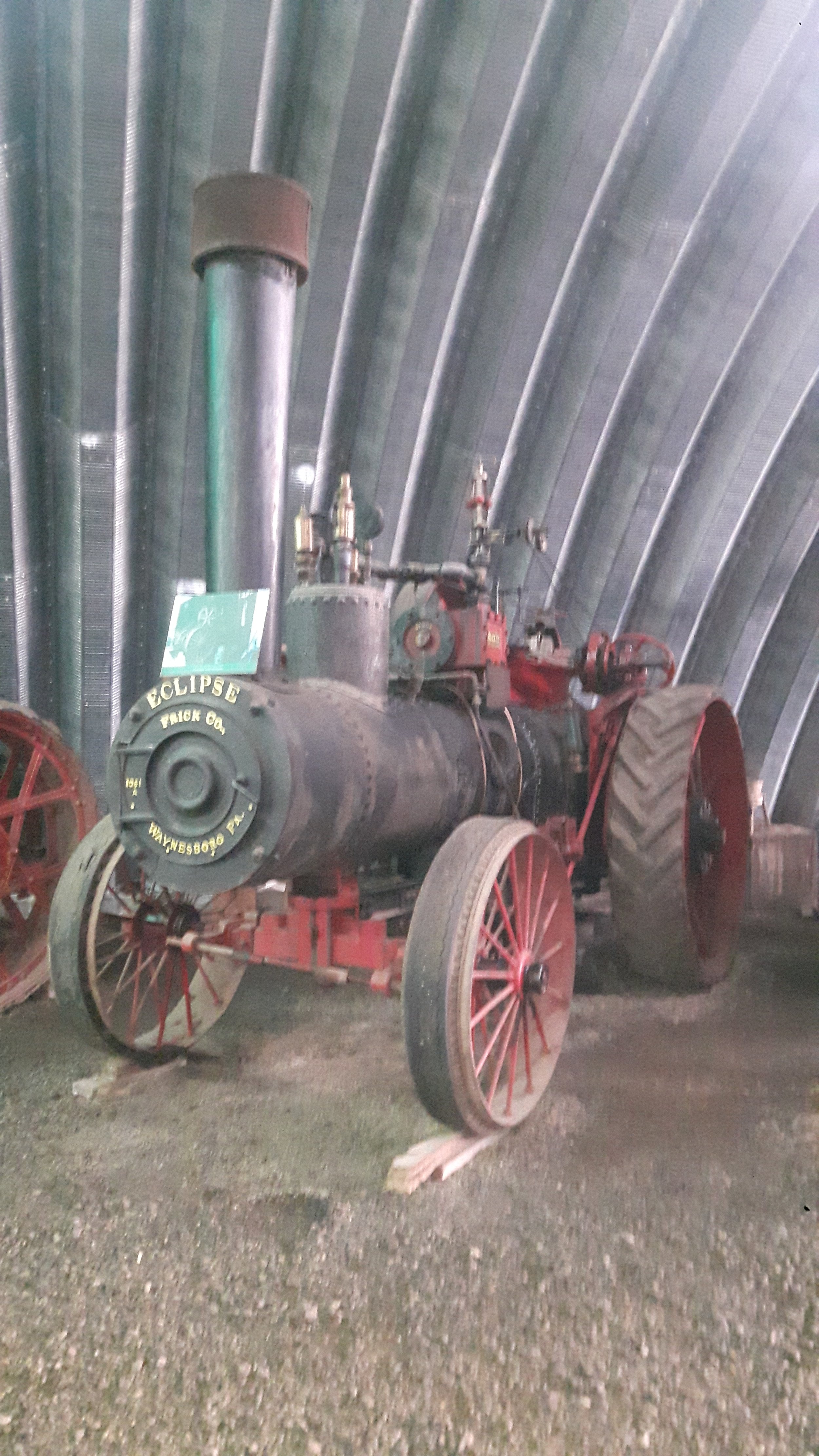
Birdsall Engine No 2538
-
This single cylinder 8HP engine was built at Auburn, New York in 1900. The original boiler registration number was 686 which was replaced in 1909 for registration number 1704. It has a patent reverse gear and piston valve and is spring mounted. The original owners, Brumby Bros, Longford, used it for chaff cutting. In 1937 it was sold to Mr T Bosworth of Liffey for saw milling and restored by the Pearn Brothers in 1962. Only about 12 engines built by Birdsall’s remain worldwide.
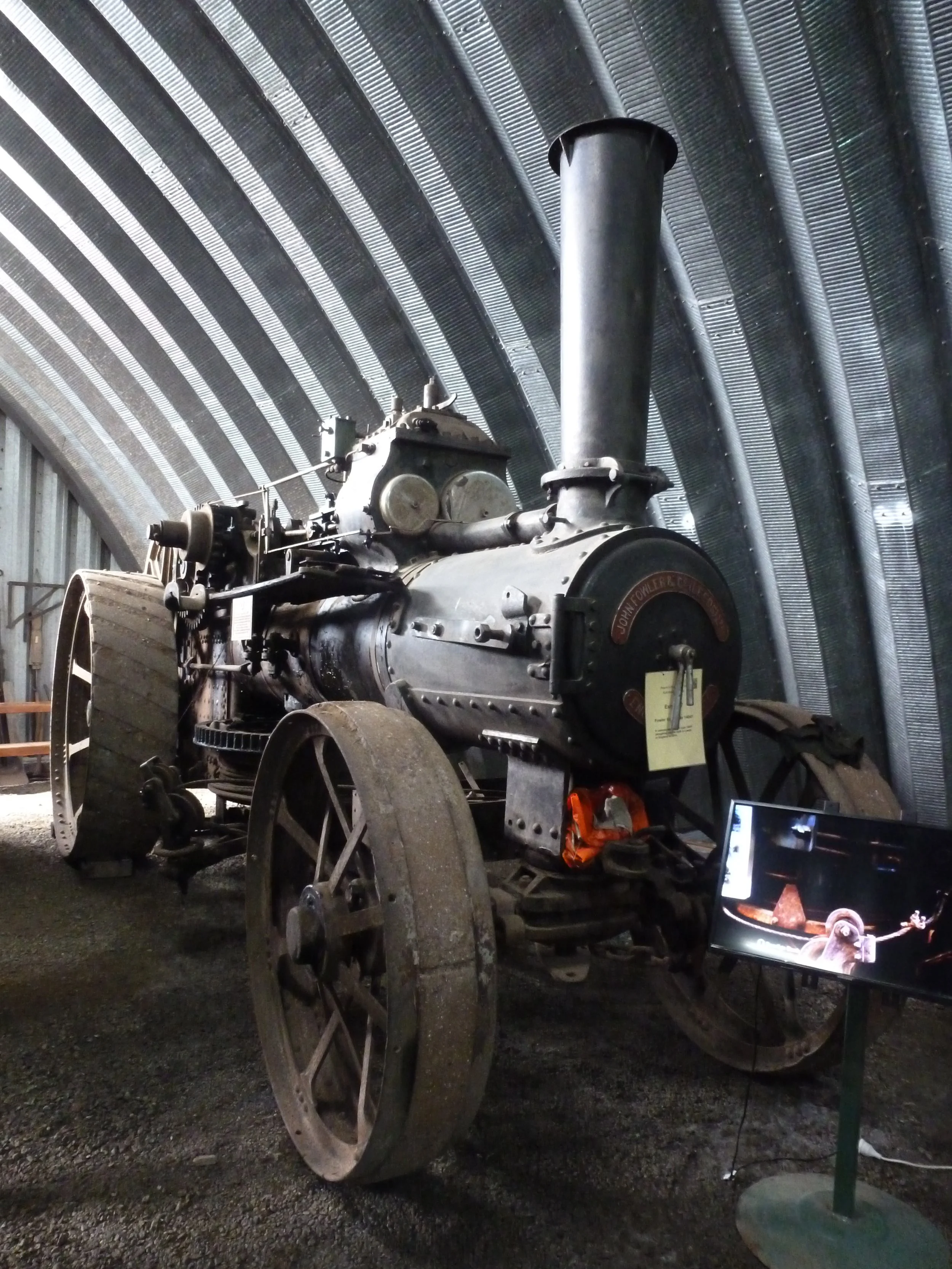
Fowler Engine No 14047 “Black Bess”
Built in Leeds England in 1914, this is a compound Model K type ploughing engine, rated at 10HP. This engine was transported from England in 1950 by the Lunnicks company as one of seven brought to Tasmania to do dredging and contracting work around the Trevallyn Power Station. It was later sold to Mr Aitken near Burnie who used it for saw milling and hauling logs. The Pearn Brothers purchased the engine in 1969. Ploughing engines, with their large winding drum below the boiler, were usually built in pairs (one left-handed, one right-handed) so that a plough could be pulled back-and forth between them. The ‘twin’ for Black Bess was called Black Beauty and was sold to New Zealand after being in a park in Burnie for many years.
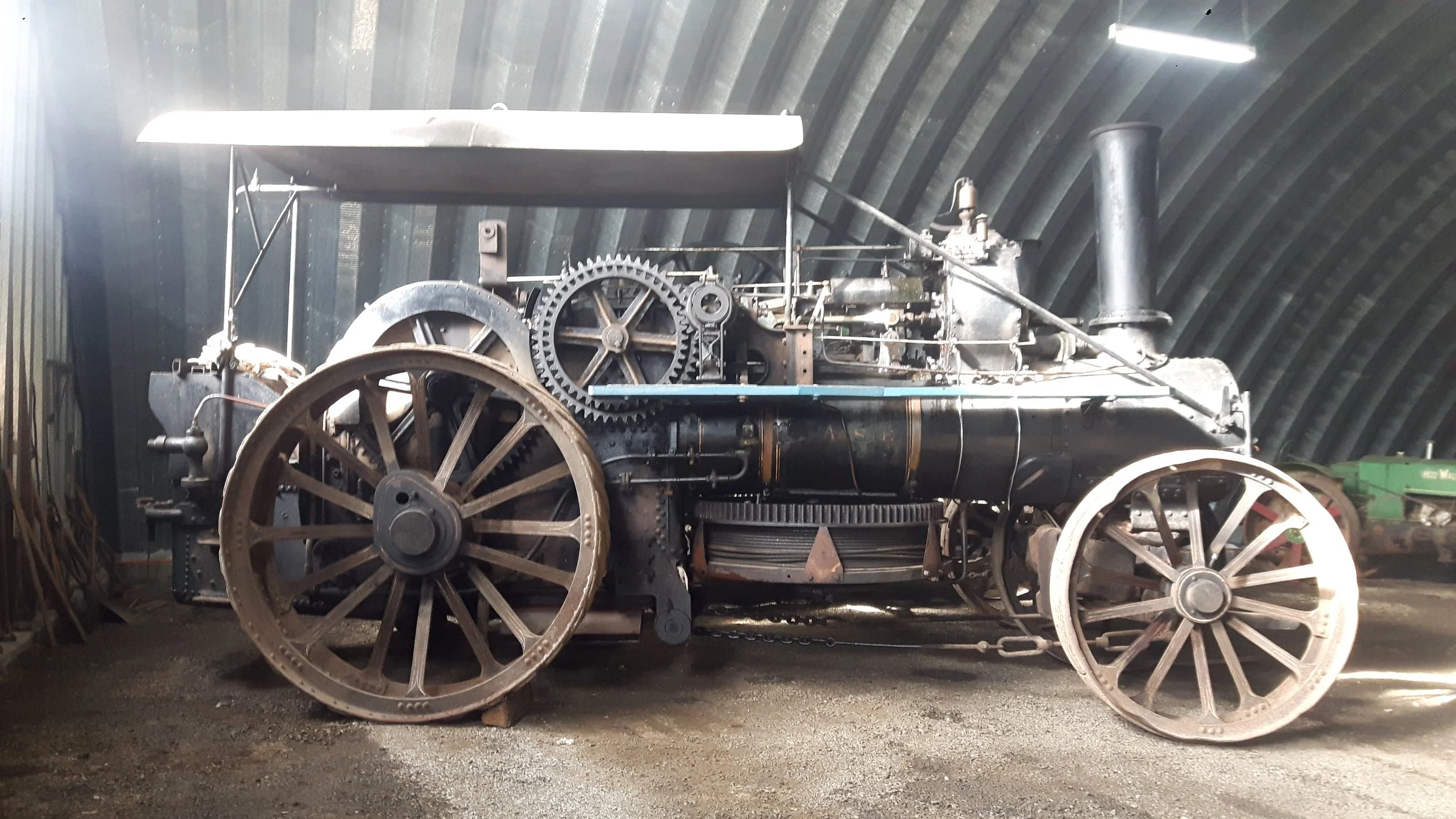
Fowler Engine No 15141 “Maisie’
Built in Leeds England in 1918, this model BB1 Ploughing (or ‘Winding’) engine of 16HP, weighs over 20 tons. The engine has 400 yards of wire cable around its under-boiler winding drum/winch. It was brought to Tasmania from Christchurch England in 1950 by Mr H Lunn who operated the firm Lunnicks. It was used for dredging the tailrace from the Trevallyn Power Station to the Tamar River, as well as log hauling and land clearing. It was restored by the Pearn Brothers in 1965.
Ploughing engines, with their large winding drum below the boiler, were usually built in pairs (one left-handed, one right-handed) so that a plough could be pulled back-and forth between them. Maisie’s opposite twin (No 15140 ‘Isabel’) also remains in the Meander Valley area.
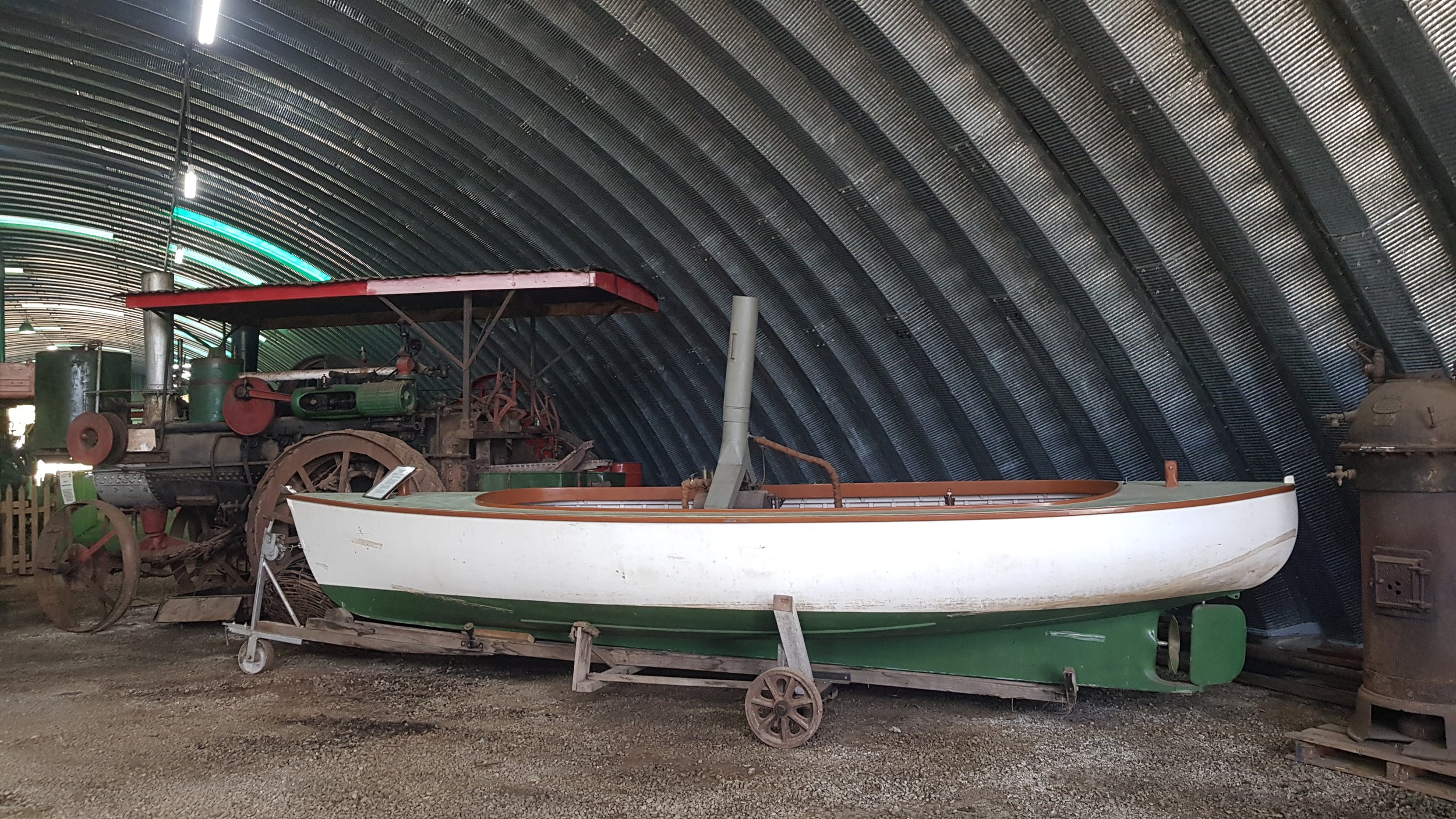
Steam launch
-
Steam launch ‘Whip-Oor-Will.’ was completed in December 1983
This launch was designed and built by Ron Swanson, the internationally renowned yacht designer, for Alan L. Hume (a retired aeronautical engineer) to operate on the fast-flowing Lake (Macquarie) River at Woolmers Estate, near Longford. The requirements called for at least 6 knots of speed at certain narrow sections of the river.
The Swanson brother’s company built high quality boats between the 1950’s and mid 1980’s. Boats built by the Swanson brothers have won every race in Australian waters, cruised every ocean, and some have circumnavigated the world. Ron Swanson retired to Tasmania and died peacefully in 1990.
This launch was only ever used on the river near Woolmers. The maximum it normally carried was 6 people, as space was needed for wood for the boiler. It drew water from the river so did not have a water tank (tender). The engine was used to take the boat up the river (at a leisurely pace) and then the launch just drifted back on the river’s flow.
The launch was received into the museum in 2012. The boiler would need to be completely replaced for the launch to conform to modern safety standards.
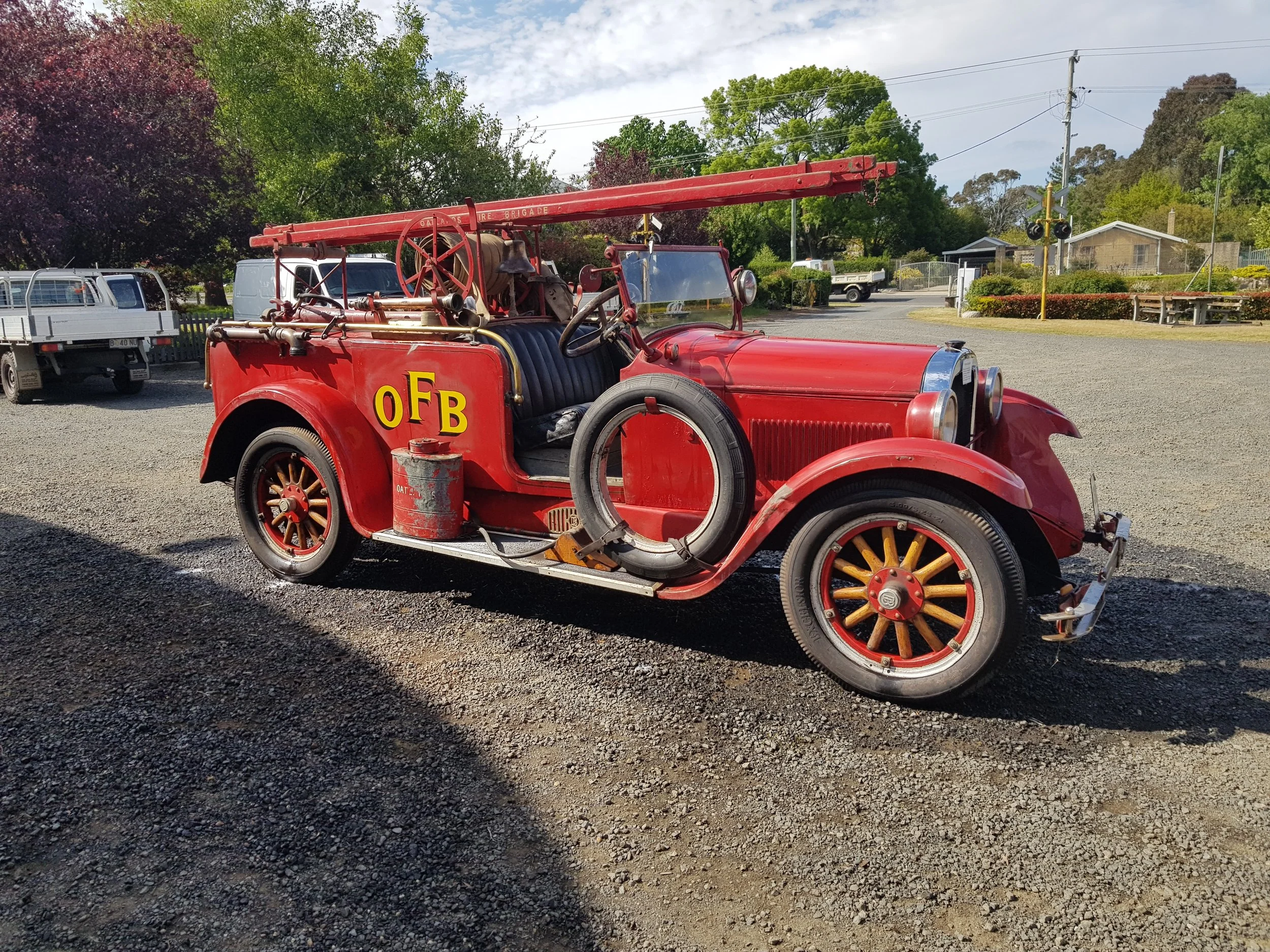
Harley Davidson 1928 Twin Cylinder 1000cc
-
This bike was restored by the late Gordon (Mate) Pearn (b.1920—d.1994), a first cousin of the museum’s founders,
Mate and his brother Fordrey developed a farm and earth moving business, which remains successfully operated by their descendants. This bike is on permanent loan to the museum. The following history on the bike has been provided by Mate’s son, Alan.
Dad was a bit of a collector and was always working on a restoration project. This bike was built from a collection of bits, including the sidecar frame, that Dad had gathered over the years. The sidecar body Dad very kindly offered to drop at the tip for a chap he was buying some bits from! He would not sell it to Dad as the bottom was completely rusted out. Dad rebuilt it using his favourite restoration material, fibreglass!
~ Alan Pearn
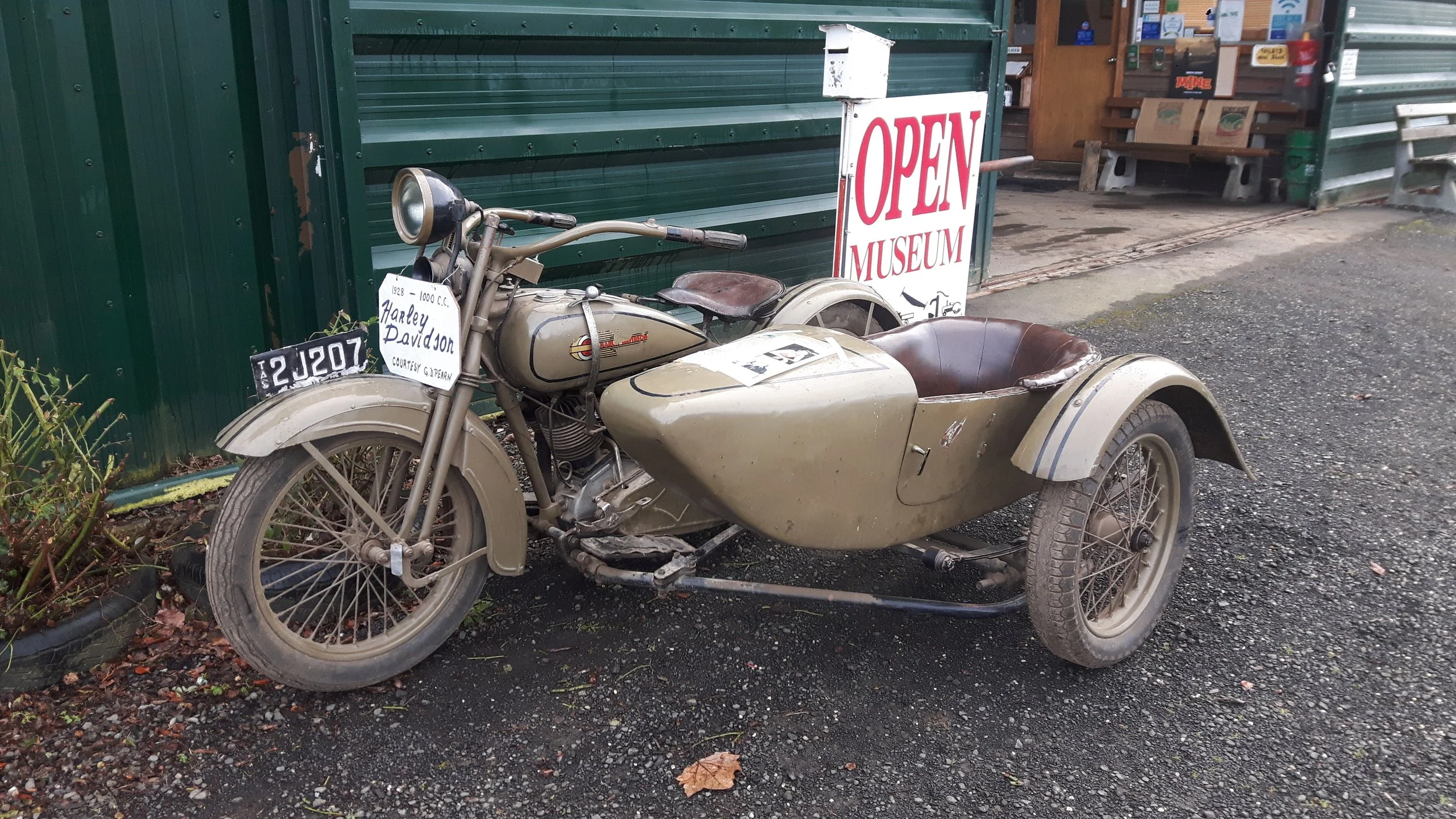
Fire engine
-
This Dodge Series 116 was built by Dodge Motors in 1924. Most Dodge 116 series were built as cars for the middle-class, but this one was converted to be a Fire Engine when it arrived in Tasmania. The body was constructed at the City Bodyworks in Hobart before it went into service in the town of Oatlands.
The Fire Engine eventually passed into the ownership of Doug McLachlan. He took it to rallies around the state and even onto the mainland. To attend a rally in Western Australia, it was driven across the Nullarbor. It also went to New Zealand by ship for a rally where it was damaged being lifted on board.
Ownership transferred to the Meander Valley Council after Doug’s death, and it is now held in Trust at Pearns Steam World and has been on permanent display there since 1987.